The ocean has always been a powerful symbol or metaphor for God for me. It’s the place that I connect with God most easily. Which is a bit surprising, because I didn’t grow up anywhere near the ocean… but the ocean means home. Whether it’s a warm summer day and the waves gently kiss the shore or whether it’s post-hurricane or tropical storm and the surf is pounding in… the ocean, its depth, its mystery, its constant adaptability and presence, has always reminded me of God. It’s where I go when I’m happy, when I’m sad, when I’m trying to work something out, even when I’m mad at God. It evokes in me a sense of wonder and awe… it reminds me of just how small I am… and yet there is only one of me, I am unique. Here in Nova Scotia, we are almost totally surrounded by the ocean… we know its might and its power.
Do you have a place that brings you close to God? A place that evokes awe and wonder? A place that helps you place yourself in the whole of creation? I hope so.
Did you know that there was a creation story in the book of Job? I confess I didn’t until I went to theological school, so if you didn’t, you are in good company. Perhaps the only part of the book of Job that you know is about Job’s suffering where he loses all his family, his health and his possessions etc.
Here’s an introduction to the book overall:
It’s one of the most profound and complex books in the Bible, addressing the age-old question of human suffering and the justice of God. Set in an ancient, almost mythical context, the story centers around Job, a righteous and prosperous man whose life takes a drastic turn when he loses everything—his wealth, children, and health. His suffering becomes the stage for a cosmic dialogue between God and Satan, raising questions about the nature of divine justice, the reasons for human suffering, and the limits of human understanding. Job’s friends offer explanations rooted in traditional wisdom, suggesting that his suffering must be a result of sin. But Job rejects their simplistic answers, insisting on his innocence and demanding a response from God.
Throughout the book, Job wrestles with doubt, despair, and his faith in a God who seems silent in the face of his pain. In the end, God responds, but not with the answers Job expects. Instead, God’s response is a profound reminder of the vastness of the divine perspective, which transcends human comprehension. The Book of Job does not offer easy solutions, but it invites us into a deeper reflection on trust, the mystery of suffering, and the enduring relationship between humanity and God.Job asks God the eternal question, “Why me, Lord?”
Listen to how God responds in Job 38: 1-18:
Then the Lord answered Job out of the whirlwind:
2 ‘Who is this that darkens counsel by words without knowledge?
3 Gird up your loins like a man,
I will question you, and you shall declare to me.
4 ‘Where were you when I laid the foundation of the earth?
Tell me, if you have understanding.
5 Who determined its measurements—surely you know!
Or who stretched the line upon it?
6 On what were its bases sunk,
or who laid its cornerstone
7 when the morning stars sang together
and all the heavenly beings[a] shouted for joy?
8 ‘Or who shut in the sea with doors
when it burst out from the womb?—
9 when I made the clouds its garment,
and thick darkness its swaddling band,
10 and prescribed bounds for it,
and set bars and doors,
11 and said, “Thus far shall you come, and no farther,
and here shall your proud waves be stopped”?
12 ‘Have you commanded the morning since your days began,
and caused the dawn to know its place,
13 so that it might take hold of the skirts of the earth,
and the wicked be shaken out of it?
14 It is changed like clay under the seal,
and it is dyed[b] like a garment.
15 Light is withheld from the wicked,
and their uplifted arm is broken.
16 ‘Have you entered into the springs of the sea,
or walked in the recesses of the deep?
17 Have the gates of death been revealed to you,
or have you seen the gates of deep darkness?
18 Have you comprehended the expanse of the earth?
Declare, if you know all this.
Doesn’t God sound like an aggressive reporter here? Or someone in a debate. 😉 God asks the typical questions that have to be answered in any relevant news story. Who are you? Where were you when the heavens and the earth began? What did you do to create the heavens and the earth and the sea and all that dwells in it and on it? God goes on with when, who, where again, how…
I wonder if Job thought his wealth, health and family would protect him from suffering.I don’t know, commentators are silent on that, at least the ones I read. And through all his suffering, Job doesn’t lose his faith. In that time of history, suffering was thought to be brought on by sin… and while we might not overtly believe that any longer, there are still subconscious touches of it when blame someone for getting something like cancer, especially lung cancer, even if they’ve never smoked. It’s a human response… we want to be able to control our fate and so if we don’t do certain things, certain things won’t happen. Instead of the reality that we live in a broken world, a world that was never perfect, and bad things do happen to good people.
When God asks those tough questions of Job, he seems to be reminding him that God is God and Job is not. I can’t help but wonder if we need reminding. That God is God, and we are not. We have used the earth and its resources as if they are endless.
As if the earth was for using instead of tending. The oceans, from which earliest life came, are polluted.
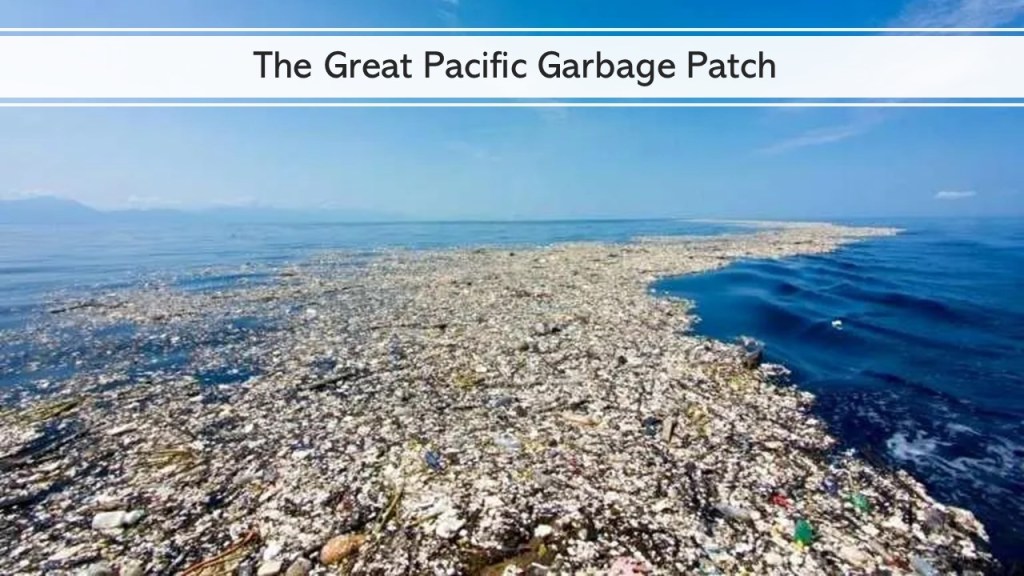
This floating mass of garbage floating in the Pacific Ocean, primarily made up of plastic… it’s 24 times the size of Nova Scotia! (Photo – Forbes)

The glaciers are melting! We have rising sea levels… here in Nova Scotia we are connected to the rest of the country by a low-lying isthmus of land… rising sea levels could cut us off… or maybe not us, but our grandchildren.
I wonder if our grandchildren will ask us the same questions that God asked Job? Where were you when you knew about rising sea levels? Where were you when you closed your eyes to ice caps melting? Where were you when you through apathy, indifference or ignorance allowed others to make short-term decisions. Where were you when you chose comfort over courage to take action? These are harsh questions.
Wendell Berry, environmental activist, farmer and author, says this, “We have lived by the assumption that what was good for us would be good for the world. And this has been based on the even flimsier assumption that we could know with any certainty what was good even for us. We have fulfilled the danger of this by making our personal pride and greed the standard of our behavior toward the world – to the incalculable disadvantage of the world and every living thing in it. And now, perhaps very close to too late, our great error has become clear. It is not only our own creativity – our own capacity for life – that is stifled by our arrogant assumption; the creation itself is stifled. (https://www.goodreads.com/quotes/261793-we-have-lived-by-the-assumption-that-what-was-good)
Are you depressed yet? Did you come here to be depressed? Are you drowning in this ocean of bad news?
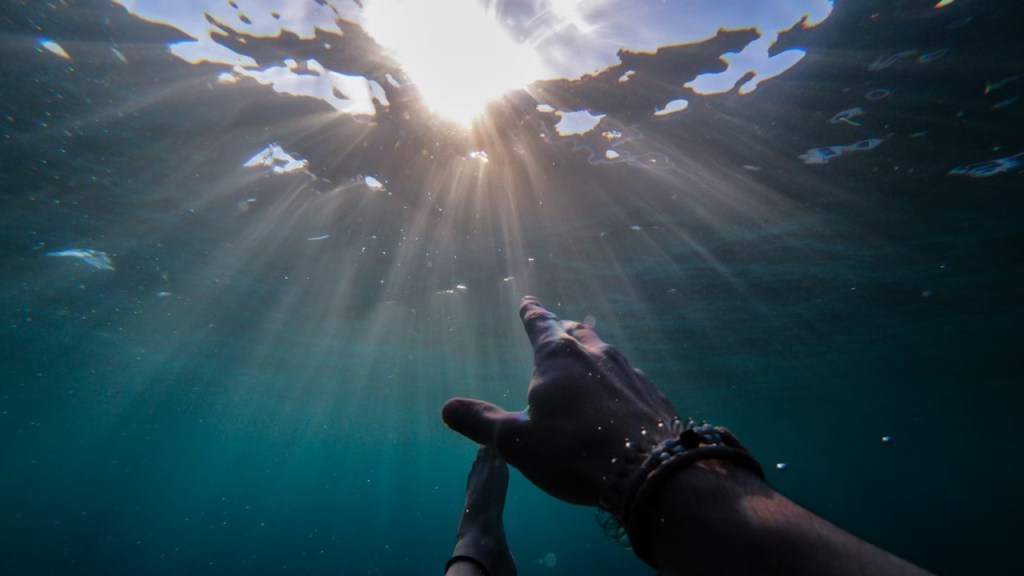
Don’t worry, I’m not going to leave us there. Further on in the book of Job, in Chapter 42, after God had pummeled him with further questions about his place in creation, Job has this to say:
Then Job answered the Lord:
2 ‘I know that you can do all things,
and that no purpose of yours can be thwarted.
3 “Who is this that hides counsel without knowledge?”
Therefore I have uttered what I did not understand,
things too wonderful for me, which I did not know.
4 “Hear, and I will speak;
I will question you, and you declare to me.”
5 I had heard of you by the hearing of the ear,
but now my eye sees you;
6 therefore I despise myself,
and repent in dust and ashes.’
Repent!
Job realized that he was not God… Scripture skips over his healing, scripture is annoying that way at times. But with his declaration that God was God and he was not, suddenly he is called upon as a righteous man to pray over some other men. And his wealth is restored, and a new family is established.
There is hope:
- After almost two decades of negotiations, an historic Global Ocean Treaty was agreed at the United Nations in March 2023. This is a huge win for conservation that opens the door to the creation of a network of ocean sanctuaries across the globe, areas where fragile ecosystems and marine life can recover and thrive. The goal of protecting 30% of the world’s oceans by 2030 is alive!

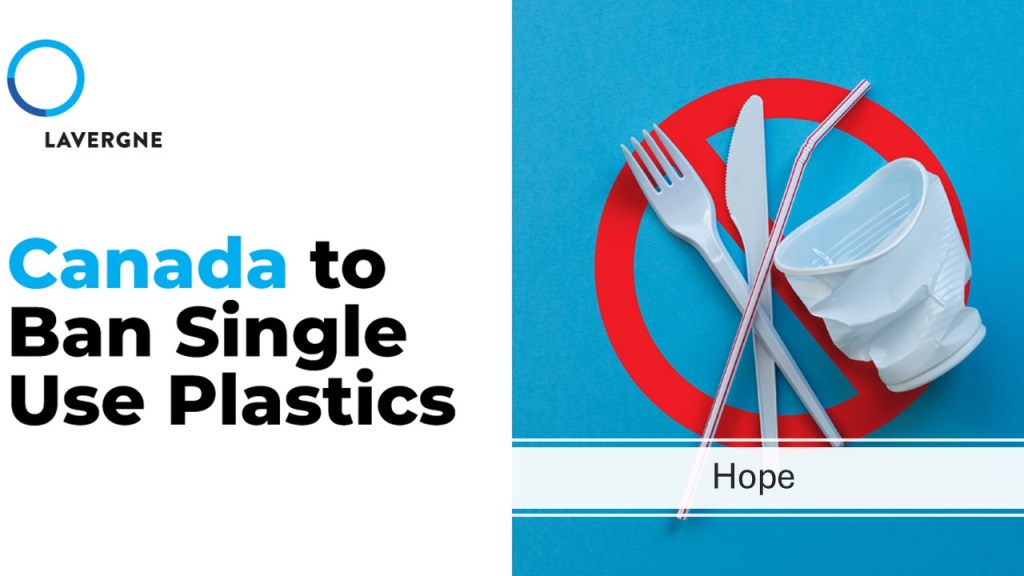
- Canada banned single use plastics.
- And I’ve used this example a few weeks, ago, this is Jill Brogan, who mobilized citizens, concerned about losing access to the waterfront trail that winds its way along Dartmouth Cove, but also concern for the environmental impact of having pyritic slate dumped in the cove.
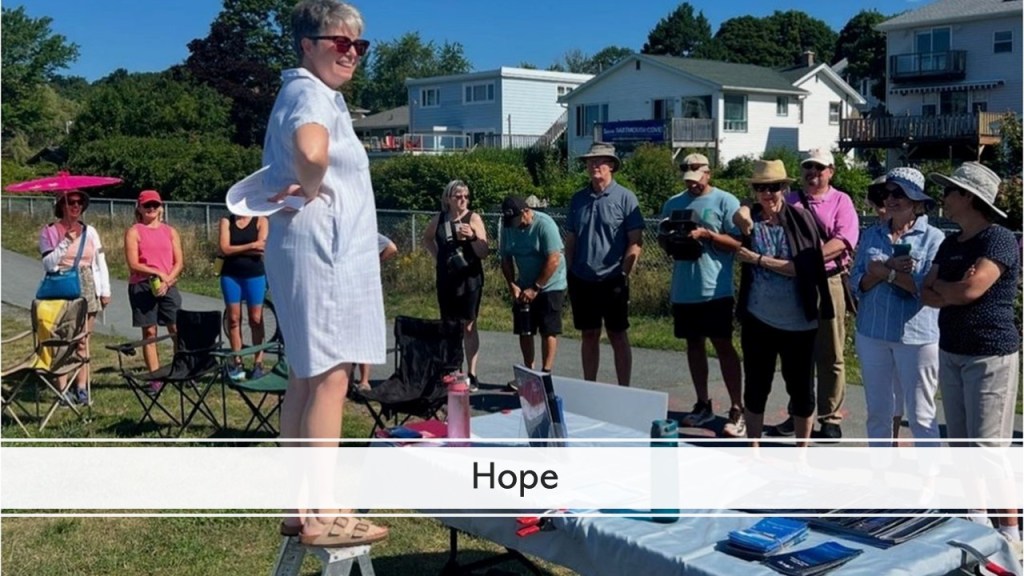
Hope is a muscle… even as we are not God.
As we reflect on Job’s story and God’s response from the whirlwind, it’s clear that the natural world – especially the ocean – can serve as a profound metaphor for the divine.
Like the ocean, God is vast, powerful, and beyond our full comprehension.
The questions God asks Job remind us of our place in creation, of our humility and finiteness in the face of something far greater. Yet, even within this grand scale, we find ourselves uniquely known and loved by God… the ocean can be a place of connection and awe. Just as Job came to a deeper understanding of God’s sovereignty and his own place in the world, we, too, are called to confront the consequences of our actions on creation. The state of our oceans, the rising sea levels, and environmental degradation reminds us that we are stewards of this earth, tasked with caring for what God has made.
In recognizing that “God is God and we are not,” we are invited not only into repentance but also into action – to protect, preserve, and honor the oceans and all creation. May we find the courage and wisdom to answer the hard questions and, like Job, humbly acknowledge that there is still so much we do not understand, but we can always strive to do better.
Thanks be to God for the challenge and the opportunity of living out our faith… amen.
© Catherine MacDonald


 My Window on God's World